
Clinically Practicing, and The Sacrifice of (Not) Getting Some
The Local Conflicts of a Sex Therapy Clinician
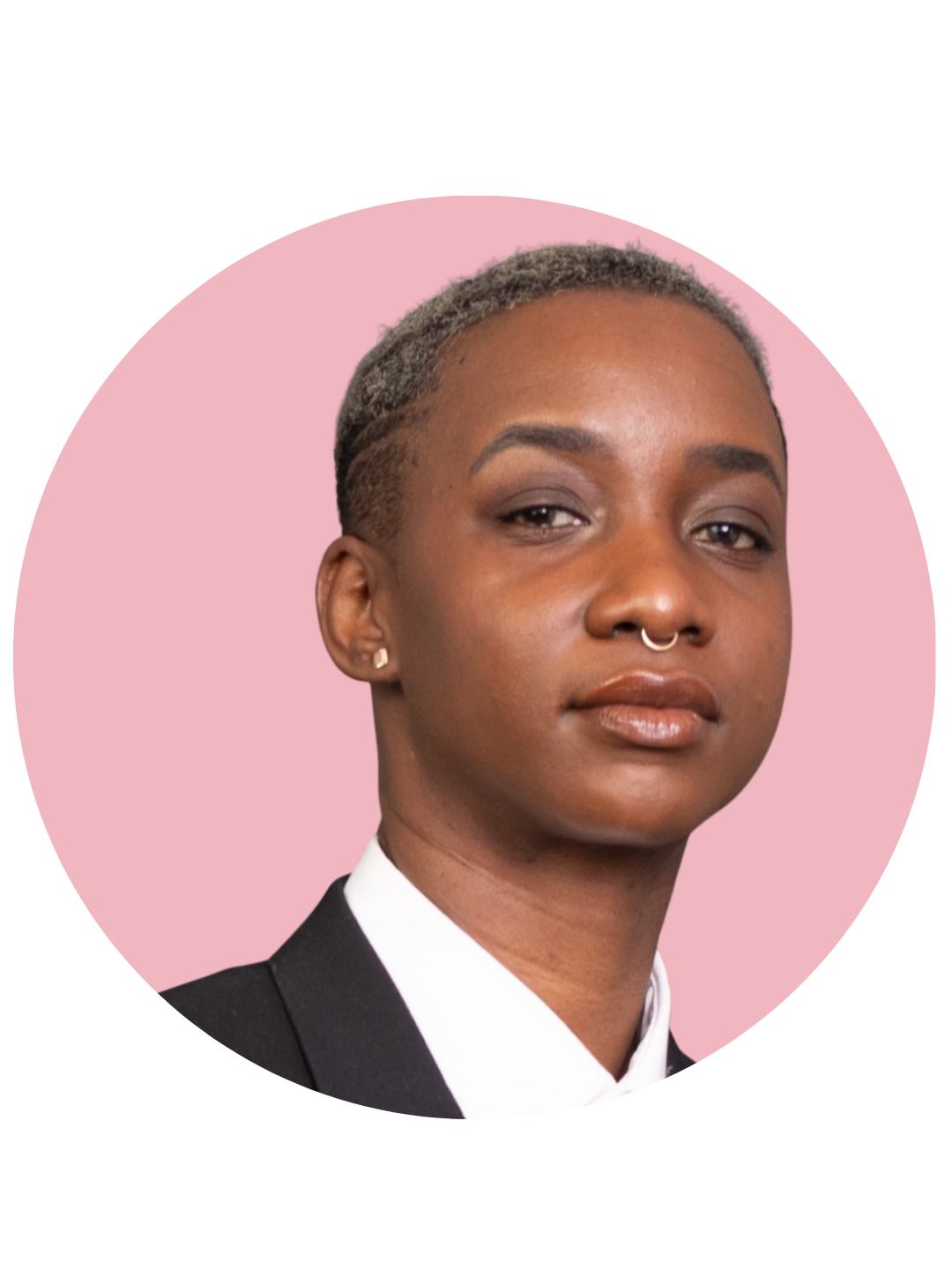
Dr. Shanéa Thomas
April 1, 2026
Years ago, I remember listening to my client, squeamishly in a therapy session. “Ask”, the voice in the back of my mind prodded me. I was foolishly hesitating, mostly because I knew that if I asked, an affirmative response would mean I was going to miss out on something I was looking forward to. But I knew I needed to ask anyway. It was part of the job.
I looked at the clock, ugh! I needed to hurry with only 10 minutes left in the session.I had been looking forward to finally going to this party and spending time with friends, but as our session went on, something came up—as it occasionally did—and derailed my plans. Come to find out, my client and I both were invited to the same party. Seven minutes left on the clock.
My client was wrapping up their point and started to pull out her paper calendar, reaching under their chair with a deep sigh, relieved after an emotionally productive session, “So what are you getting into this weekend?” she casually asked, not knowing the irony that lay ahead.
Yes, this is my chance.
****
I began my career as a social worker specializing in supporting individuals in the LGBTQ+ community and later trained as a certified sexuality educator. My expertise includes attraction, gender expression, and relationships. As conversations around race, queerness, and relationship dynamics—such as polyamory and ethical nonmonogamy—have become more visible, I’ve increasingly worked with clients who are curious but lack safe spaces to explore these topics with friends, family, healthcare providers, or even their partners.
Another layer of complexity—and often a benefit—is that I share many of my clients’ identities. I, too, have been ethically non monogamous and kinky for almost 20 years, so my “I understand where you are coming from” in sessions comes from an authentic place. As therapists, we’re trained not to disclose too much about our personal lives. Yet with my clients, our identities frequently intersect within the shared experience of queer Black identity, influencing how we expand our understanding of intimacy, connection, and relationships through community.
One factor that shaped my work was the age of the population I served. At 24, just out of Howard University with my master’s, my work led me toward high school students and community-based roles, placing me frequently in public-facing spaces. I also began exploring the city early on, especially after transitioning from a predominantly white institution (PWI) in the mountains to a vibrant, urban historically Black college and university (HBCU), following my earlier years in a much smaller, heavily Christian town. And, as a 24-year-old, I was also—well—24. I immersed myself in the community as much as I could. As Southern Virginia was my first home, Washington, D.C. held my hand into my second coming: exploring sex, gender, and everything in between.
In a new city, with the most money I have ever made after graduate school ($35,000!), in an apartment by myself, this was the first time that I had a space to be GAY. The books I had secretly read about Black queer life—like Giovanni’s Room by James Baldwin and the Invisible Life series—and the grainy DVDs of The Aggressives and Paris Is Burning met the realizations I was having in graduate school. Alongside nights in clubs and house parties with other Black queer people, my body and heart both urged me to explore the city. This girl raised in the South owed my curiosity around BDSM to the local sex shops in Dupont Circle, the trips with my partner/s to the black and queer bookstores or gayborhoods, or the one time I got to sit in a spanking class held in the back of an old knickknacks shop! My younger days were full of taking pictures in the rainbow crossings in Philadelphia and tearful drunken goodbyes as I went on the 6am Sunday Chinatown bus on the way back from a late-night pride party in Brooklyn. The streets were where those book-bound ideas came to life—and sometimes, if you wanted the full experience, it meant showing up with your clothes off. And boy, did I have a time.
Now, as a “professional”—and especially on the other side of 40, reflecting on my time in the field—I’m realizing how difficult it can be to explore this part of my life and feel a sense of independence while sharing space with those I’ve taught, treated, or counseled. When I was a university professor teaching social work students, we often discussed boundaries, client interactions, and proximity—including what to do when you encounter a client in public, whether at a grocery store or even a friend’s dinner party. We emphasized not approaching the client and instead allowing them to initiate contact, keeping any interaction minimal. This approach helped shift some of the power we held in the therapy space back to them. If anything felt awkward or uncomfortable, it could be processed later within the safety of the therapeutic setting. We all assumed it would happen—at least I did—so I began avoiding public spaces altogether. But in doing so, I began to see how this choice constrained my growth and, at times, led me to neglect my own need for intimacy.
I consciously chose to relinquish some of my own freedom to explore these liberated spaces in order to make room for my clients to experience them for themselves. I wouldn’t want to be in a space where someone who holds power over me is watching, leaving me feeling judged, ridiculed, or reprimanded. I believe people need space to apply what they’re learning in therapy to real-life experiences, free from the presence or oversight of their therapist. And I do not think this is a one-size-fits-all experience; the frequency of run-ins like this depends on where you are based, demographics, and whether you are in transient spaces, or even your specific pleasure needs. Over time, as I spent more years in spaces centered on play and pleasure and deepened my connection to the community, it began to feel like negotiation might make coexistence possible—that I could share these spaces and still enjoy myself. But that wasn’t true. I didn’t want to second-guess myself with a drink in my hand or scan the room before getting flogged…so I stopped going.
It often feels like I’m passing something down to those who are curious and exploratory, especially as Black, queer—and particularly kink—spaces become increasingly rare. The continuous conversations about the loss of black, queer bars and gathering spaces, community is crumbling to the threats of capitalism in a world raging with high rent, systematic violence, and just plain homophobia, queerphobia, and transphobia in a pleasure-deficit economy. My list of city recommendations for my clients is getting shorter.
I feel bad for the people I support who now don’t have the same access to spaces as I used to. At times, I feel like I’m becoming one of those crotchety elders, reminiscing about “how things used to be.” But those spaces only existed because people before us chose to pass them down. I hold onto the belief that as I deepen my place within my community, I also carry a responsibility to create space—to ensure that others can access the same joy I once did. Sometimes that means holding therapeutic space where clients can speak openly and with excitement about a new partner, a new discovery in their sexuality, their first gender-affirming care appointment, or the growth that comes after leaving an abusive relationship.
That is a responsibility that I am willing to take on. And I am not completely depriving myself of those very experiences that I try to safeguard for my clients. I'm grateful for the community I’ve grown with and the circle I’ve intentionally built and shared memories with. While there are parts of my life I wish I could explore more freely, I’ve come to appreciate the ways I’ve cultivated smaller, meaningful experiences to carry with me into this stage of my life.
Support independent journalism
Enjoy reading The Parlor?
Become a paid subscriber to get full access, early releases, and subscriber-only extras.
Become a paid subscriber***
Returning to that moment after the therapy session, I recall how the balance of power in the room shifted and permission rested in the client’s hands. Given how small our community was, I knew there was always a chance we might run into each other—and that it could complicate things for both of us.
As the session unfolded, the client began sharing their weekend plans. I had just been invited to a party by someone I was starting to build a connection with, and as the client spoke, I began to notice familiar names. It became clear that we might be talking about the same circle—and possibly the same event.
As they continued, I recognized the people they mentioned and found myself sharing in their excitement about attending a party that weekend—the very same one I was planning to go to.
At that point, I knew I had to ask.
“Funny you should ask, because I was actually going to ask you something,” I said.
My client slowly sat up, her eyes widening as she straightened in her chair, momentarily forgetting to reach for her planner to schedule our next session. “Uh oh…what?”
“Nothing bad!” I laughed, trying to ease the tension. I didn’t want my nerves to spill into the room and become something she had to carry. I had already decided that whatever the outcome, it would be mine to hold. “You mentioned a party this weekend, and I was wondering if it might be the same one I’m planning to attend. Is it Tanisha’s…?”
“Yep, yep! It is! Oh noooo,” she said, laughing. “I’m so glad we’re talking about this. I would’ve been so embarrassed if we ran into each other.”
I felt a quiet pang of disappointment, but I was still glad I asked. “It’s okay, truly,” I said. “I had already decided that if you were going, I wouldn’t be there. I’d rather you have a good time than risk making things uncomfortable.”
In that moment, I felt a shift—relief, yes, but also the weight of what it meant. I had made space for both of us: for her, more room to belong in the community; for me, the quiet experience of stepping back, and the sense of missing out that came with it.
I held in my disappointed sigh until after my client closed the door behind them. I would simply tell my friend that something had come up and that we’d spend time together another day. Yet my joy now rests in knowing that my client would get to grow in community in ways a therapy room alone can’t offer. As an elder, giving up the space you once occupied isn’t just part of the work—it’s an honor that comes with the privilege of showing up fully for someone else.
About the author
Dr. Shanéa Thomas
Shanéa (he/she/Dr.) is a forever social worker who is recovering from post-perfectionism trauma from the land of Academia. As she hails from the land of Missy Elliott and Allen Iverson, it was Washington, DC raised her as a queer adult who had the gift to hold space to whoever needed it. As an award-winning certified sexuality educator and grief counselor, she often says she has stories from the profession from life until death, and is ready to tell every one. Shanéa and her kiddo have settled in Temple Hills, MD and often enjoy ice cream at the Harbor, as we wait the the next meteor to come.
Conversation
A space for Parlor members. Be generous, be real.
Loading…