
Àgbo in Benin City — Why Residents Turn to Traditional Medicine
In Nigeria’s Edo State, cost, trust and access shape how residents use herbal remedies

Gloria Afajagbe
November 23, 2026
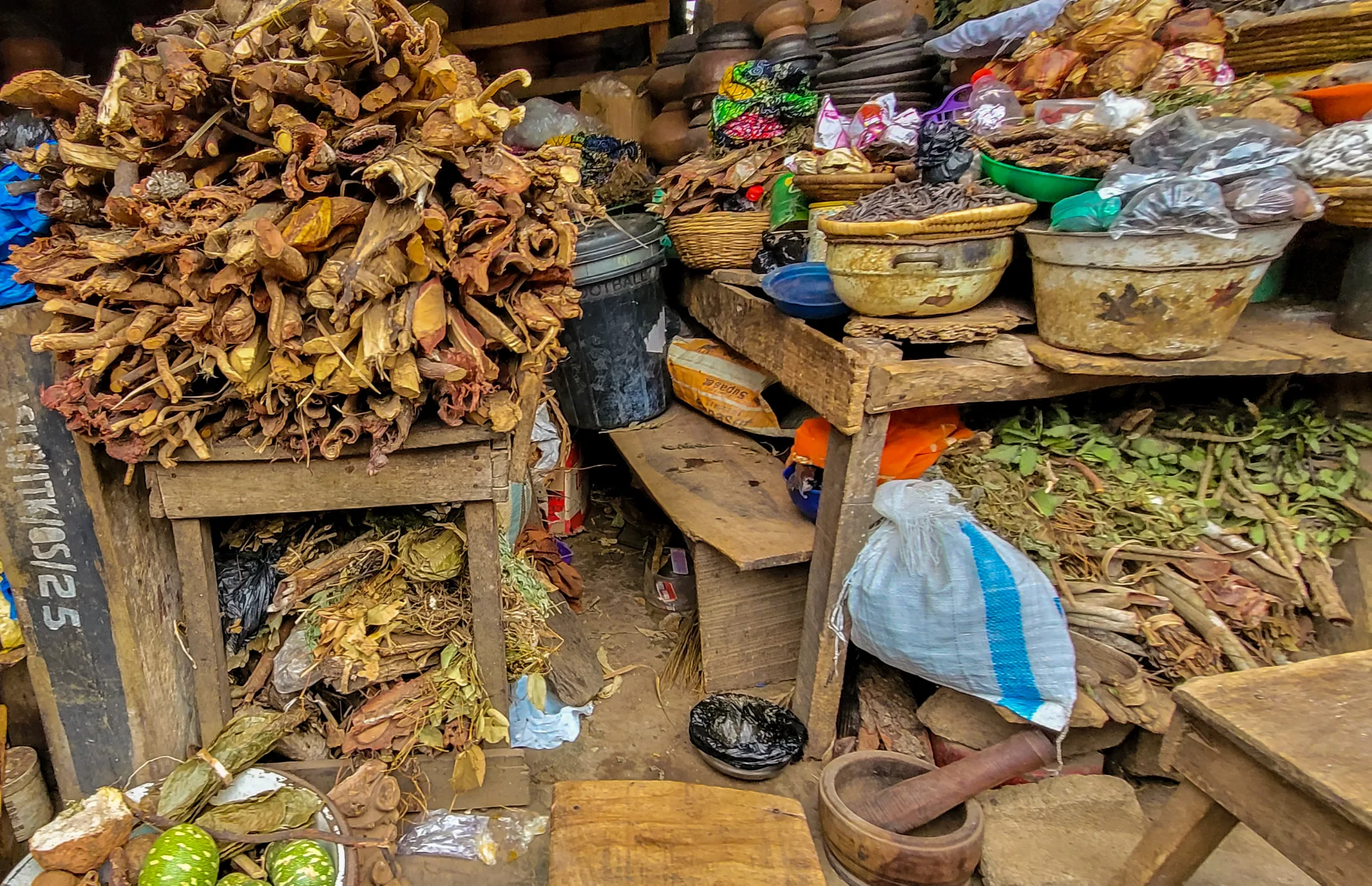
These roots and tree barks are used for native medicine in Nigeria and other parts of Africa to treat malaria, typhoid and other ailments. Teslim Olakunle Adisa, CC BY-SA 4.0, via Wikimedia Commons
For some residents in Benin City, Edo State, Nigeria, when illness kicks in, the first question is not always which treatment to take. It is whether they can afford the treatment at all.
As the cost of medicines and healthcare continues to put pressure on household finances, some Nigerians are turning to herbal mixtures, including Àgbo, as an alternative or complement to conventional treatment.
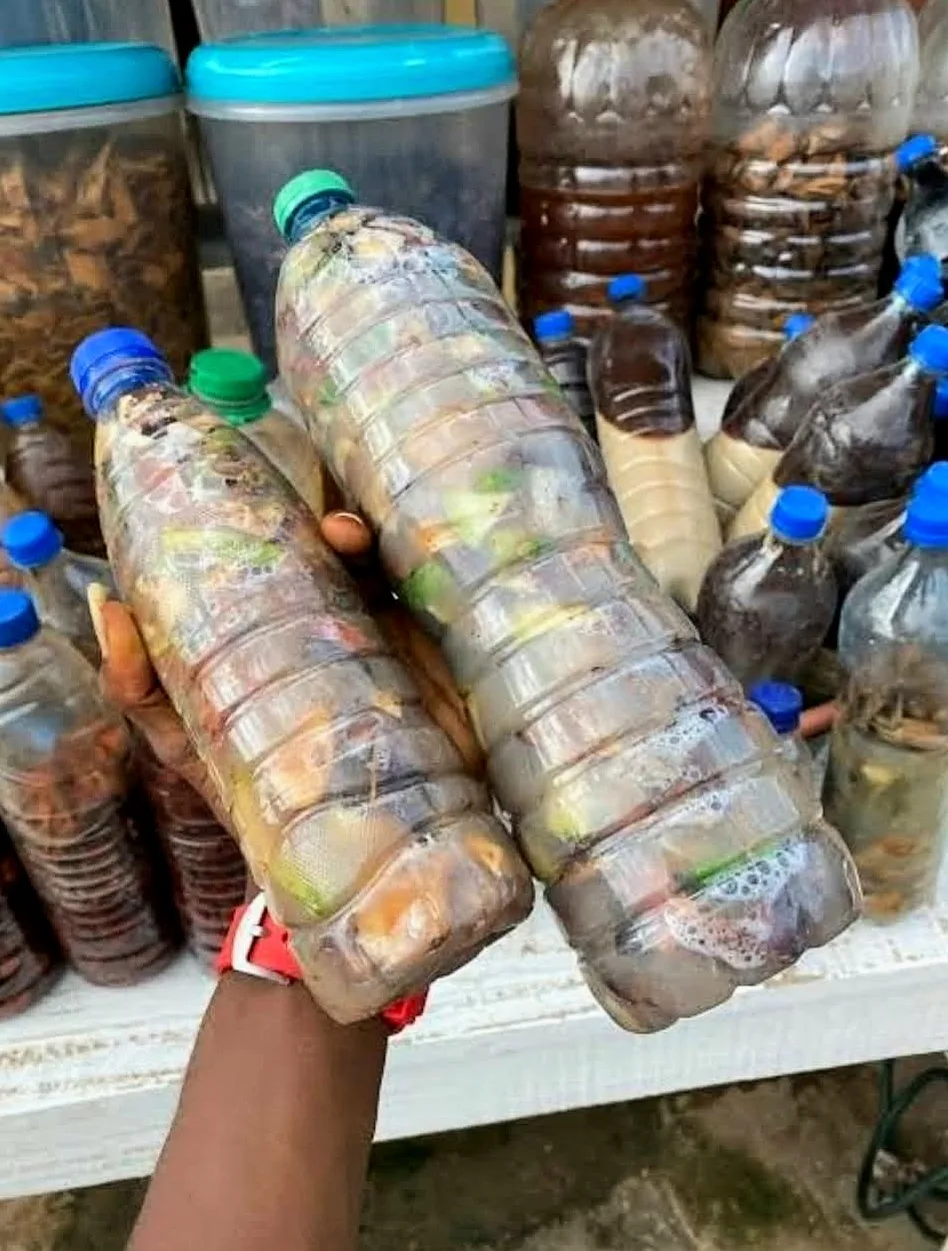
Àgbo, is a term commonly used in parts of Nigeria to describe herbal preparations made from plant materials such as leaves, roots, stems and bark.
The term Àgbo is associated with the Yoruba language of South Western Nigeria and is commonly used to describe herbal concoctions, with ingredients and uses varying from one preparation to another among practitioners and users. Some preparations are boiled in water, while others may be combined with locally distilled spirits or other ingredients.
The use of herbal medicine is part of Nigeria’s long tradition of traditional healthcare. According to the World Health Organization (WHO), traditional medicine comprises healthcare practices, skills, knowledge and philosophies originating in different historical and cultural contexts that existed before modern biomedicine.
Across communities, interviews with residents in Benin City showed that the decision to use herbal preparations is not always driven by a single factor. Some respondents described them as affordable and accessible, while others spoke about personal trust, and the belief that certain mixtures work for them.
However, the rising cost of conventional medicines and healthcare remains an important part of the conversation. Recent WHO data shows the scale of the financial burden: citizens out of pocket payments accounted for about 72 per cent of current health expenditure in Nigeria in 2023.
The Federal Ministry of Health and Social Welfare’s 2024 State of Health of the Nation Report said 19,189,622 people were covered by health insurance as of December 2024, compared with 16,797,451 in 2023. Despite the increase, millions of Nigerians remained outside formal health insurance coverage, leaving many households to rely heavily on direct payments when they need healthcare.
The Central Bank of Nigeria's January 2025 Household Expectations Survey also showed concern over medical costs. The survey recorded a medical expenses index of 58.2 for price changes in the next three months, indicating that Nigerians expected further increases in medical expenses.
The cost of medicines has also risen sharply. Price checks conducted by our correspondent at some pharmacies in September 2026 showed higher prices for commonly used medicines.
Why Residents in Benin City Turn to Herbal Remedies
In Benin City, Edo State, Nigeria, residents interviewed by the Parlor Magazine described different reasons for consuming herbal mixtures. Some said they considered them affordable and readily available, while others combined traditional remedies with conventional healthcare.
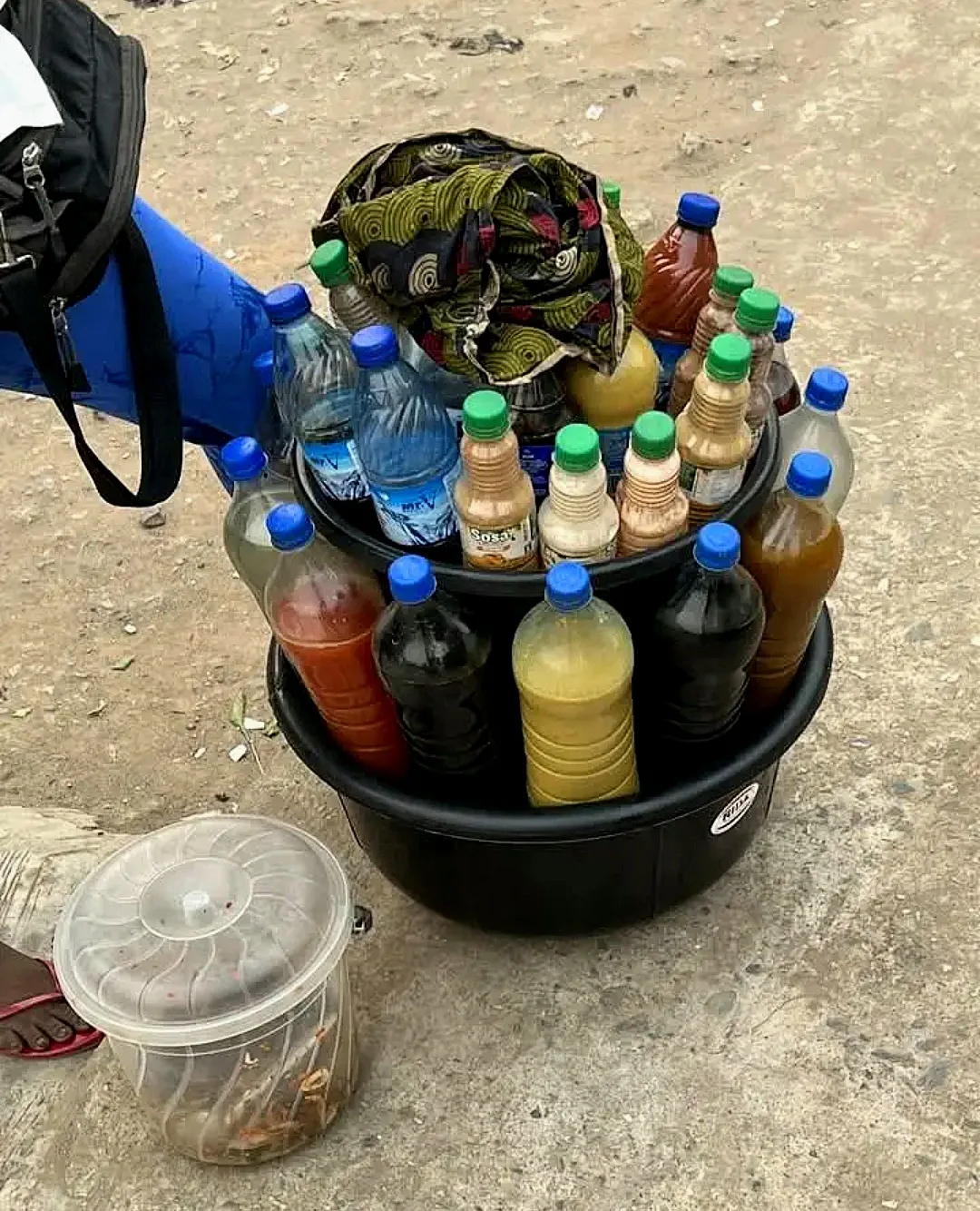
Their experiences also revealed concerns over dosage, ingredients and the safety of preparations sold outside formal healthcare settings.
For Daniel Ayemere, a resident of Amagba community in Oredo Local Government Area of Edo State, the decision to use herbal medicine was influenced by his positive experience with a preparation called Àgbo Malaria .
Ayemere said he took the herbal mixture after experiencing what he described as symptoms of malaria. He said he felt relief and regained physical strength afterwards.
He added that, the experience made him prefer herbal concoctions to conventional medicines.
“The consumption of herbal medicine is very good. It works very well but the quantity you can take matters a lot. The only issue is in the dosage and I think one should be careful in the quantity that they can take. If they can get the dosage, it's very good. I even prefer it more than conventional drugs.
“Go and buy orthodox medications now, the expensive prices will first of all discourage you from buying them and there are also a lot of fake anti-malaria drugs selling in the markets.
“My advice for people drinking herbal mixtures is to be mindful of fake ones as there are fakes in both the herbal and conventional drugs,” he said.
Mrs Charity Igbayo, a resident of Oko Central Road in Oredo Local Government Area of Edo State, said the prevalence of fake pharmaceutical drugs in the market, as well as their rising cost, has made herbal medicine an affordable alternative for many households.
Charity noted that, the conventional medication she had previously used to treat her stomach ulcer was not helpful before she turned to herbal mixtures, which she said worked for her.
She said “Many herbal products are not registered and do not have accurate measurements, so such products should not be consumed. I do not take them because some herbal practitioners are not professionals.
“There are many fake conventional medicines being sold to people, and some do not work effectively despite being expensive. Herbal medicine, on the other hand, is more affordable and can easily be prepared using different herbs available around us.
“Herbal medicine is of different types. Some are more expensive than orthodox drugs, while others are cheaper, depending on the illness."
According to Charity, "The government should put strong monitoring teams in place to monitor the production of both herbal and orthodox medicines. This will help ensure that people get the right treatment when they use these medicines and prevent further illnesses caused by improperly produced drugs."
For Paul O., a regular customer of a local medicine seller on Reservation Road, Oka, in Benin City, said the decision to use herbal medicine was tied to his personal experience with a particular seller.
Paul added that, he has been taking herbal mixtures for more than two years because they met his health needs
Recounting what happened on the morning of the interview with Parlor Magazine, Paul said he had experienced severe diarrhoea and frequent stooling before visiting the herbal medicine seller he regularly patronises.
“This morning I have been stooling like 10 times. I had severe running stomach and I was purging. So I came to meet this Àgbo seller, she is my regular customer and I shared my complaints with her, then she mixed ‘Àgbo jedi-jedi’ and she poured it into a small cup which I drank." He said, “Believe me, since I took that medicine till this moment, the running stomach and frequent stooling has stopped. Her medicines always work for my system, I do not know about others but for me, this was my experience this very morning. And I bought it for just N200 (£0.11), compared to conventional drugs, I would have spent more.
However, for Lucky Efese, who lives on Upper Sakponba Road in Ikpoba Okha Local Government Area of Edo State, herbal mixture is used alongside conventional healthcare.
Efese said he undergoes laboratory tests first to establish what is wrong before deciding on treatment. According to him, where the diagnosis indicates a minor ailment that can be managed with herbal medicine, he opts for traditional remedy as a way of reducing his healthcare expenses.
“I would say economic hardship, low income earnings, and poor government policies in the health sector are part of the reasons we Nigerians are increasingly turning to herbal remedies as alternatives," He observed.
“For me, before taking my herbal medicine, I do laboratory test first to know what is wrong with me before starting any treatment. Taking herbal mixtures saves me more money. I may spend between N2,000 (£1.13) and N5,000 (£2.81) on herbal medicine, while orthodox treatment could cost between N15,000 (£8.44) and even N20,000 (£11.26), depending on the treatment. I would like to urge the government to regulate herbal medicine practitioners. They should be registered, and their preparations should undergo laboratory testing by the appropriate authorities. The government should also collaborate with herbal medicine practitioners because herbal medicine is part of our healthcare system and cannot simply be done away with." – Lucky Efese
Similarly, Monday Oise, a resident of Okhoro community in Egor Local Government Area, said his preference for herbal medicine is rooted in his personal belief in its effectiveness and what he knows about the ingredients.
Oise said he prefers to collect and prepare the herbs himself, rather than buying the herbal products sold by roadside vendors: “I still believe very much in herbal medicine, but not these ones they are doing nowadays. I do not take the herbal mixtures they sell in shops, along the road, or the ones they put in cans and sachets. If I am sick, I prefer to prepare the herbal medicine myself."
“I have prepared herbal medicine twice this year. I went to the bush myself, prepared the leaves and boiled them. My wife and children also took from it, and after two or three days, we were fine. I did not go to the hospital until afterwards, when I went for a check-up. I did not spend money preparing it. It was only my energy that I spent. But if you go to the hospital because you are sick, you can spend N40,000 (£22.52) or N50,000 (£28.14) on drugs, tests and treatment, even for malaria. That is why people who cannot afford healthcare may turn to herbal mixtures sold cheaply by roadside vendors.” Monday Oise.
Inside a Roadside Herbal Medicine Stall in Benin City
Across the streets of Benin City, Edo State, traditional medicine vendors can be found in strategic locations such as markets, local shops, motor parks, roadside stalls, residential areas and busy commercial streets, selling herbs and remedies they say can treat various illnesses and diseases at affordable rates.
At Reservation Road, Oka, in Oredo Local Government Area of Edo State, Sakirat Bakare displayed an array of herbal products at her roadside stand. Across the wooden table in front of the stand were plastic bottles of different shapes, labelled according to the ailments they were prepared to treat. She sat on a bench beside the table, beneath a large umbrella set up in front of a building.
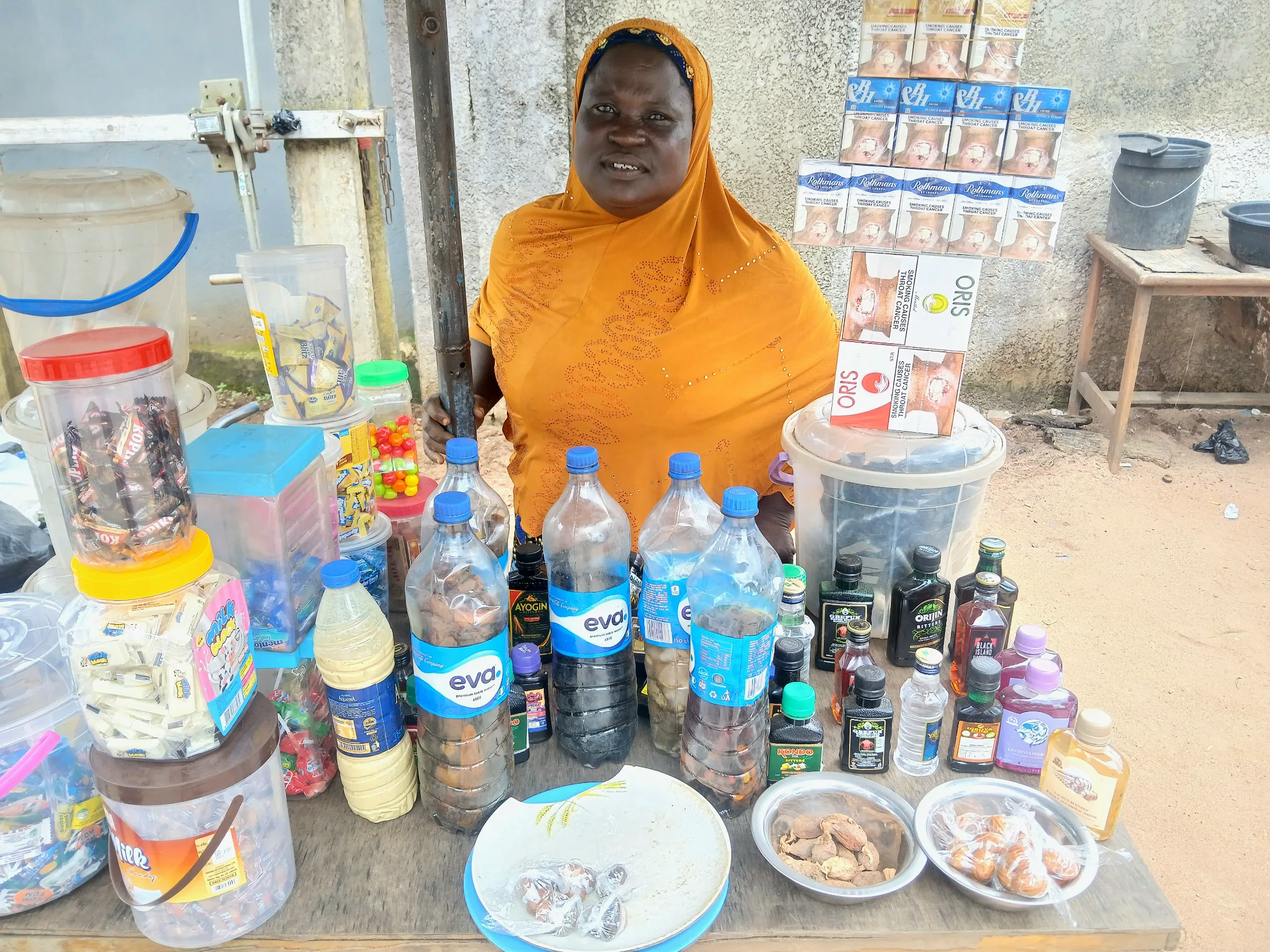
The woman was in a cheerful mood when the Parlor Magazine visited her stand on Monday morning and asked for a herbal mixture for malaria.
Bakare said she has been operating from the roadside stand for more than 10 years, attracting customers from the area, other parts of Benin City and outside Edo State. The Ibadan indigene said she learnt the practice of preparing herbal concoctions from her former boss.
She noted that, as a member of the National Association of Nigerian Traditional Medicine Practitioners, she did not simply prepare and sell herbal mixtures to anyone who approaches her. Instead, she advises customers who complained of illness to undergo medical tests before returning to her.
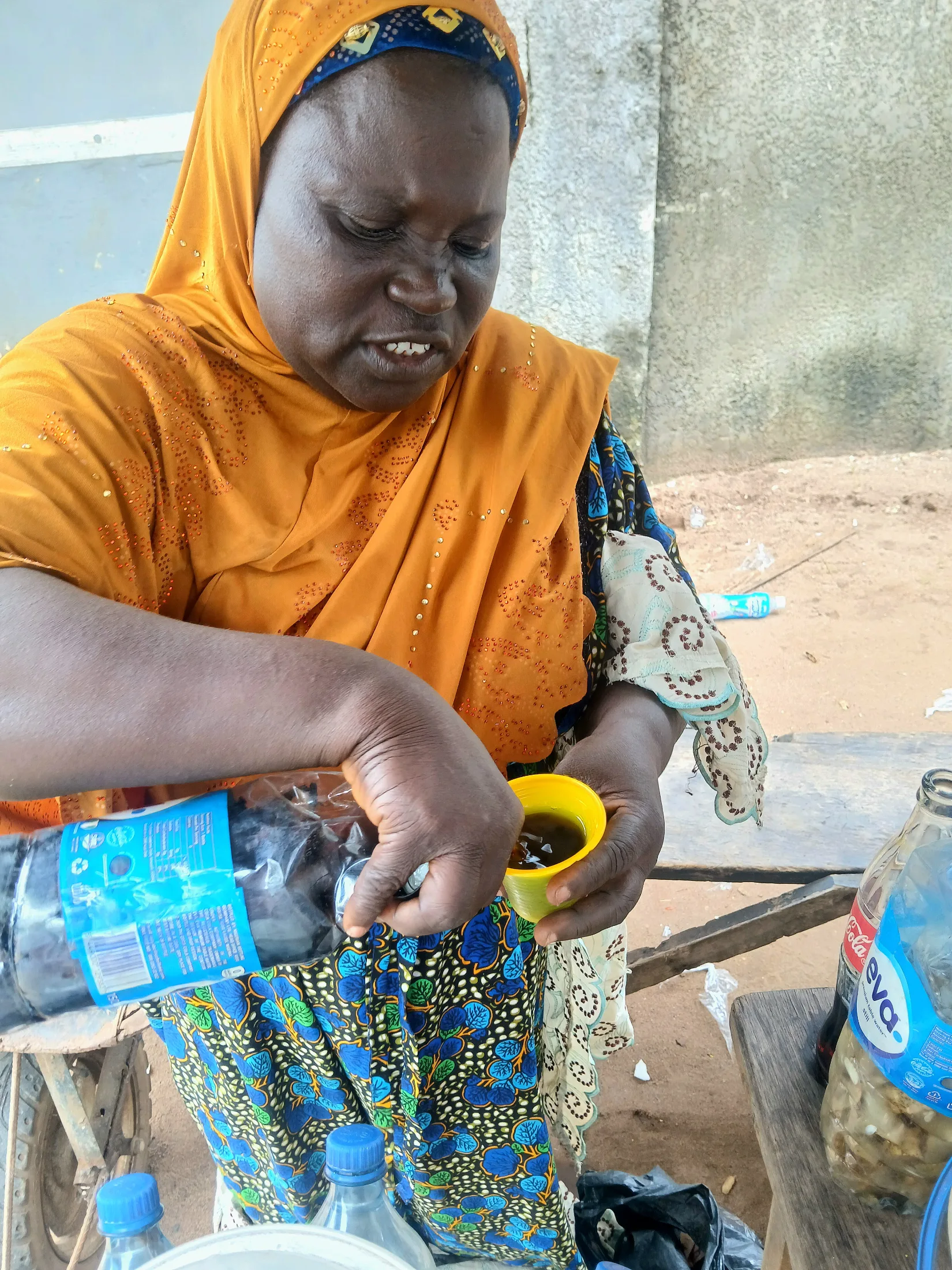
She added that, she did not have the equipment to diagnose illnesses at her stand, saying the ability to conduct tests was one area where conventional healthcare had an advantage over traditional medicine.
“After the test, if they come back and tell me what is wrong, I can prepare the appropriate roots and herbs for them," she said. “One area where English medicine is better is that they can test you. If something is wrong with your body, you need to know what it is before taking medicine.”
The herbal medicine seller said she prepared her mixtures herself using roots and herbs obtained from different sources, including villages, suppliers and a garden at the back of her home.
She explained that, she uses different combinations of roots and herbs depending on the health complaint. According to her, some preparations involved several ingredients, which she washes, prepares and combines before cooking.
“The ingredients come from different places. Some of the plants and roots come from the villages. I also have a place at the back of my house where I keep some of the roots and plants I use...The ones I finish, I replace from my own garden. I also buy roots from people who bring them from the villages... For malaria, there are different roots and herbs. There are several things inside. Some of them, we wash and prepare them separately, then we put them together and cook them,” she said.
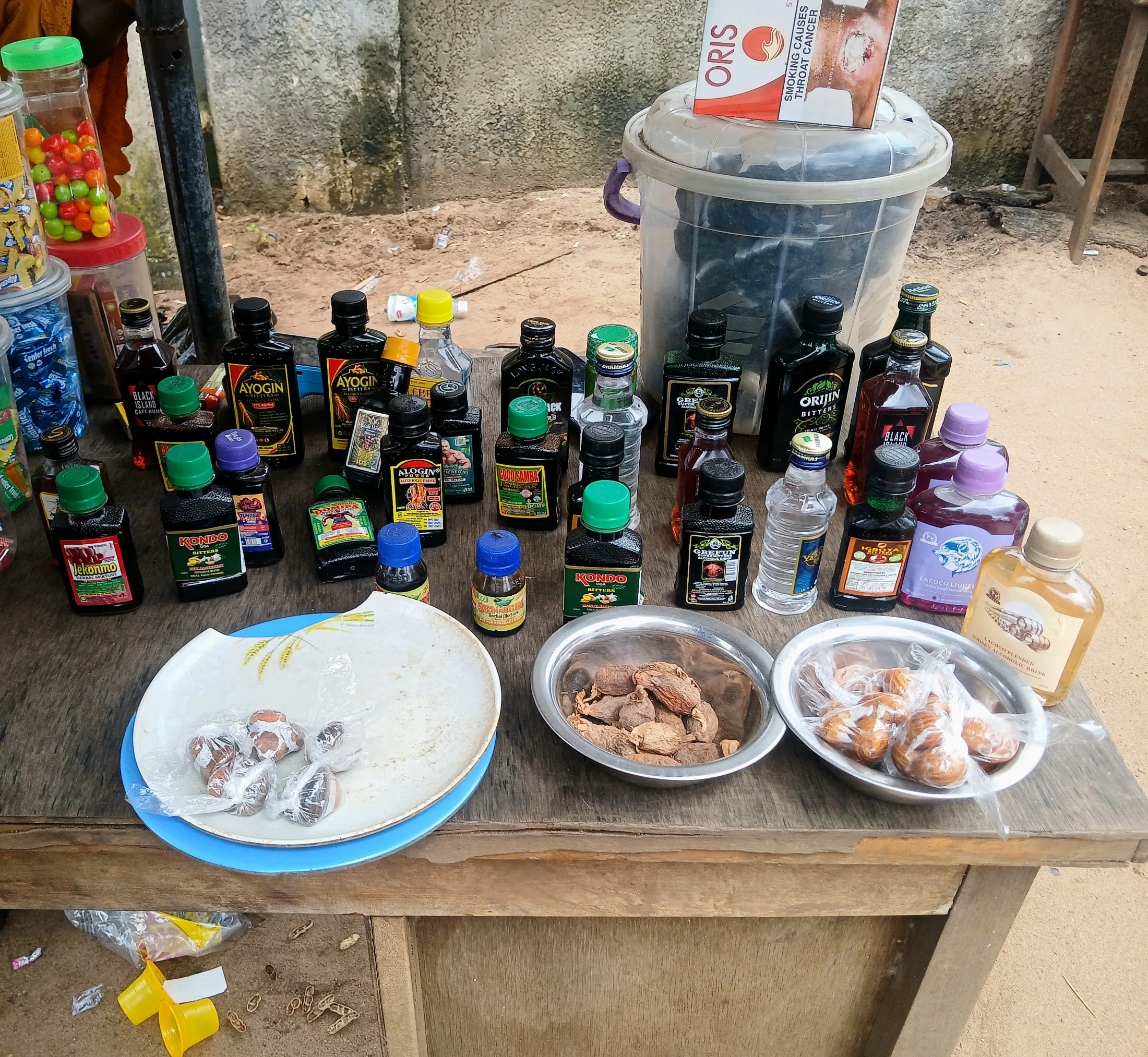
Discussing the challenges involved in preparing herbal medicines, she said transportation significantly increased the cost of some ingredients. According to her, a plant or root that cost about N1,000 (£0.56) in her village could sell for as much as N5,000 (£2.81) after being transported to Benin City.
“The ingredients come from different places. Some of the plants and roots come from the villages. I also have a place at the back of my house where I keep some of the roots and plants I use. It is because of transportation, the cost increases. When I go to the village myself, I gather money to buy them and bring them back so that I can make a profit. That is why I keep some of the roots in my backyard,” she said.
Support independent journalism
Enjoy reading The Parlor?
Become a paid subscriber to get full access, early releases, and subscriber-only extras.
Become a paid subscriberBakare noted that affordability was one reason some of her clients preferred herbal medicine to conventional treatment.
“Agbo is cheaper. For instance, if someone wants to buy malaria medicine, they may spend a certain amount and still not see the result. If they come here, they may spend around N5,000 (£2.81) for the preparation. For infections, English medicine can be very expensive. They may spend N60,000 (£33.78) or N70,000 (£39.40) on treatment, while I may prepare something for a much lower amount. That is why some people prefer it."
The herbal medicine seller, however, acknowledged that herbal mixtures could be misused, particularly when people prepared them without adequate knowledge of the ingredients or how they should be combined.
She cautioned against buying herbal mixtures from sellers who lacked adequate knowledge of traditional medicine:
“Some of the people who sell àgbo, especially those who sell around garages and other places, do not understand what they are doing. Some of them mix different things together and can cause problems for people. That is why I tell people to be careful. People should not just take anything because somebody says it will work.”
On regulation, Bakare said she joined the National Association of Nigerian Traditional Medicine Practitioners about two years ago, partly because she wanted to improve her business and demonstrate that she followed the rules and regulations governing the practice.
She added that the association met regularly to share knowledge, educate members and discuss issues relating to traditional medicine. According to her, the association also monitored practitioners and could take action against members who prepared or sold herbal medicines improperly.
Beyond individual practitioners, the Edo State Traditional Medicine Board is responsible for regulating aspects of traditional medicine in the state.
Herbal Medicine in Edo State: Safety Concerns and Regulatory Oversight
In an interview with the Parlor Magazine, the Chairman of the Edo State Traditional Medicine Board, High Chief (TDR) Godwin Ugbesia JP, said the growing use of traditional medicine in the state was driven partly by people's belief in the effectiveness of herbal remedies and their trust in traditional healthcare.
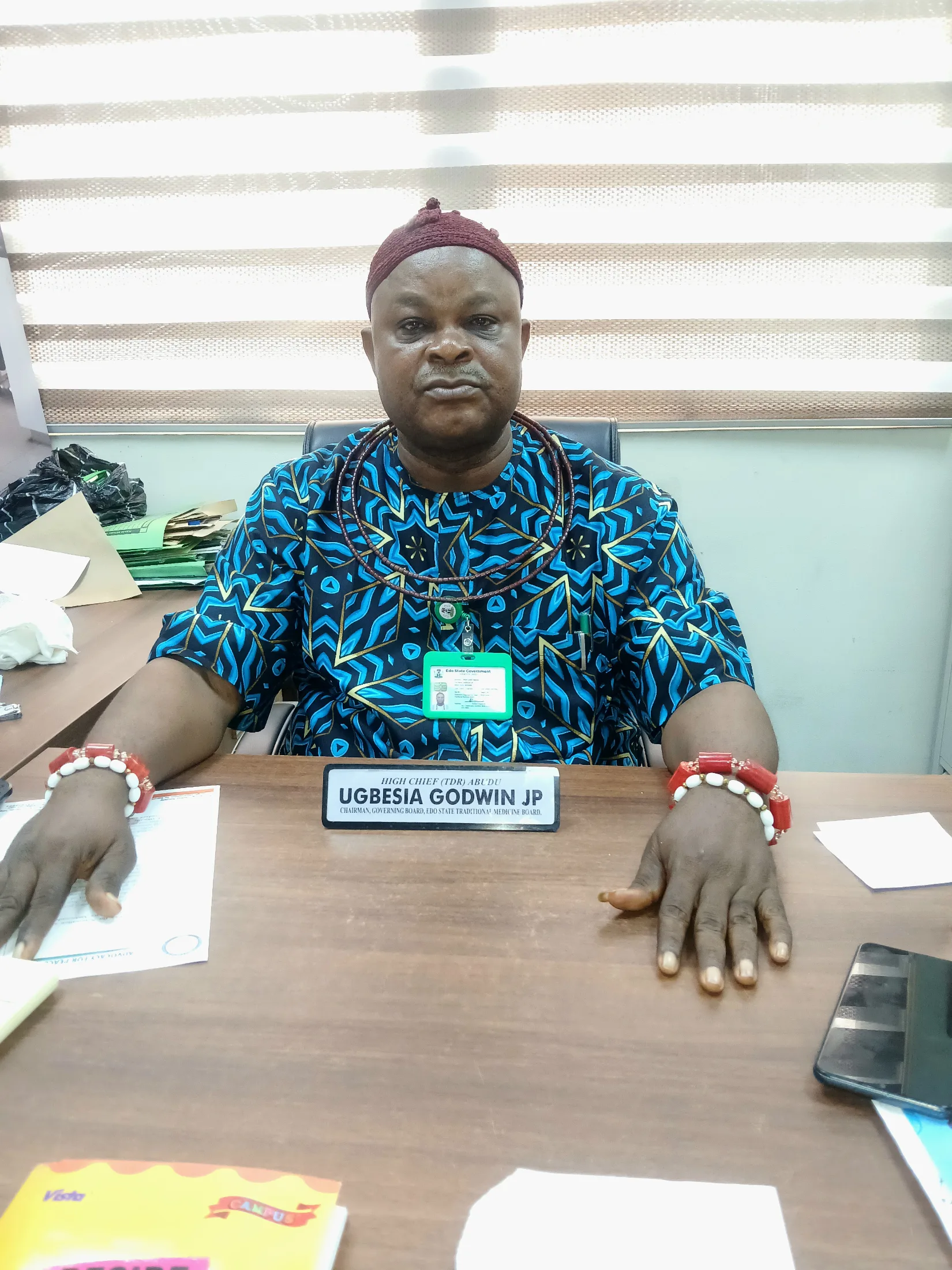
Ugbesia, who said he inherited traditional medicine practice from his parents, said the board had trained about 1,000 traditional medicine practitioners in Edo State and had the data, as well as other vital information on more than 1,000 practitioners across the state.
“We have over 1,000 practitioners. We are doing meetings together. The majority of them have not registered. Few are registered. Registration is compulsory, you cannot escape it. I am always collecting data across the state and your data as a practitioner is needed so that we can work across the state. I tell them, whether you register or you do not register, come to the meeting. I am bringing everybody closer. It is to make sure traditional medicine stands and that they do not do the wrong thing,” he said.
While speaking on the regulation of traditional medicine practitioners and herbal products, Ugbesia said the board engaged practitioners across different categories through regular meetings, including manufacturers, exporters and Àgbo sellers.
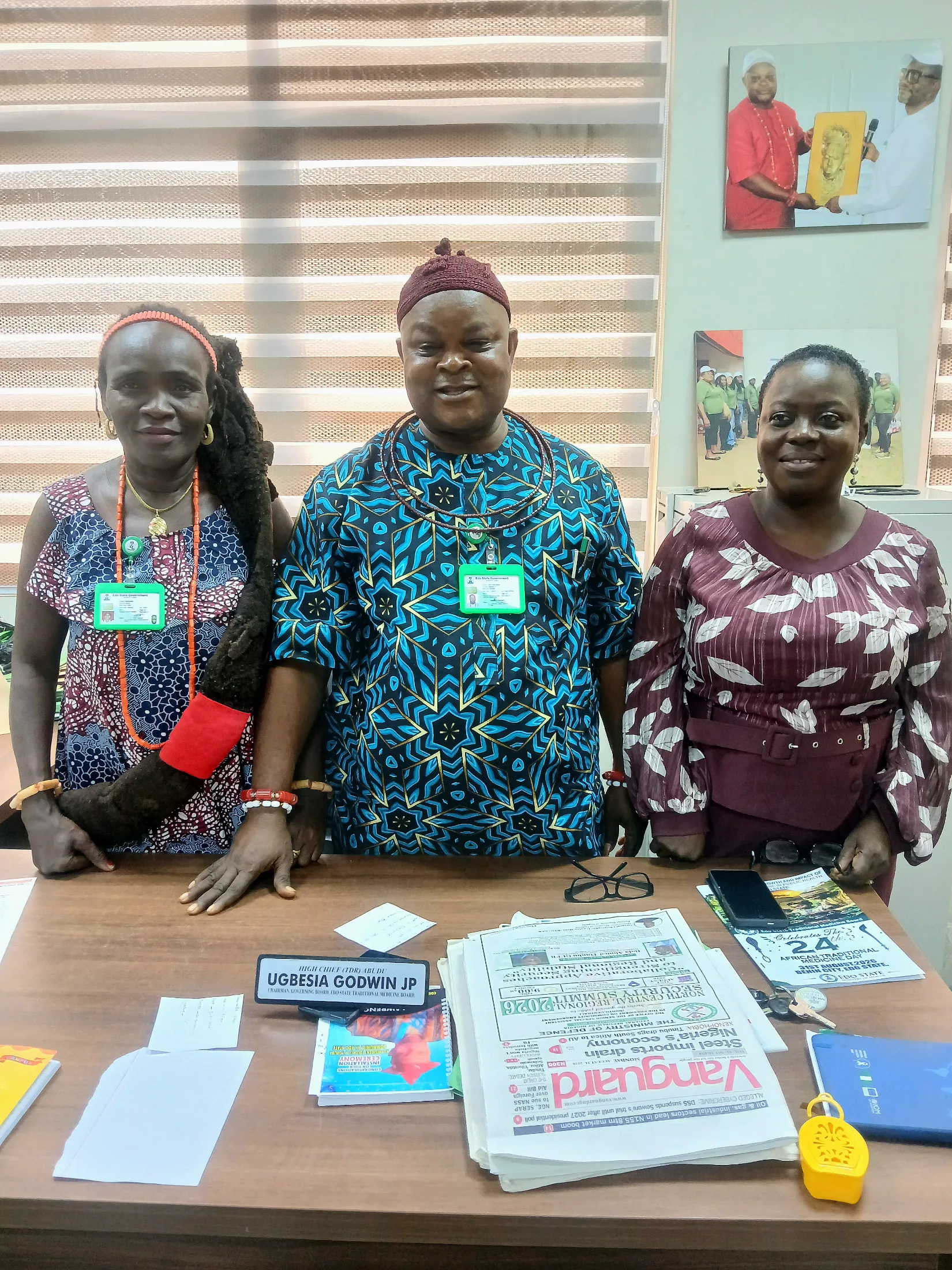
He noted that the Edo State Traditional Medicine Board had also taken steps to curb Àgbo sellers from mixing illicit drugs with herbal preparations.
“Àgbo sellers in Edo State have four different groups. These four groups have their heads and different sections. Before somebody can come and carry Àgbo and start selling, the person must enter the state through [their representative]. I have been able to stop them from selling hard illicit drugs among Àgbo sellers. I cannot go to the chemist because that is not my duty. I cannot go to every corner where they sell those drugs. That is the duty of the National Drug Law Enforcement Agency,” he said.
The chairman called for greater support for traditional medicine, particularly in research, regulation and the development of traditional medicines.
While traditional medicine practitioners and users point to affordability and accessibility, health professionals raised concerns about the risks associated with herbal preparations whose contents or dosage may not be known and the cost of conventional treatment.
Rising Prescription Costs and Safety of Herbal Medicine
The Deputy Director of Pharmacy Department at the University of Benin Teaching Hospital, Dr Osaretin Aghimien, who spoke with our correspondent, reiterated the hike in the prices of medicines was a major factor influencing patients’ search for alternatives to prescribed treatment.

Dr. Aghimien noted that, the inability to afford prescribed medicines could lead to a deterioration of a patient’s condition, potentially making the illness more serious and complicated.
He said, “Cost is number one. When a prescription is given to a particular patient to buy drugs and the patient cannot afford it, the patient will opt for alternatives. What people opt for is an alternative, cheaper brand."
If they cannot afford the medication, the condition can become worse, making it more serious. A patient cannot afford the drug for a particular ailment and it can lead to a deterioration of that disease condition, which can further complicate the disease condition and affect other organs. – Dr. Aghimien

The pharmacist, however, cautioned against the consumption of herbal mixtures whose ingredients, sources and doses are unknown, saying the practice could have serious health consequences.
According to him, “Some of these herbal remedies have serious consequences on our health, especially our internal organs, particularly the kidneys. Most of the people taking these things do not know what they are taking. They just mix it together, and these things could be detrimental to their health.”
He stressed that his concern was not with traditional medicine itself, as some of the plants used may possess medicinal properties but may have limitations, particularly where dosage cannot be properly controlled.
Corroborating, the Chief Medical Director of the National Orthopaedic Hospital, Benin, Dr Philip Ugbodaga, said one concern surrounding herbal mixtures was the way some patients used the preparations before seeking medical attention or alongside conventional treatment, without informing their healthcare providers.
Dr. Ugbodaga added that the distance to health facilities, availability of medicines, waiting time and health insurance coverage could influence where and when people seek healthcare.
“It is not uncommon for patients to disclose to healthcare practitioners that they have used herbal preparations either before coming to the hospital or alongside conventional treatment. In some cases, they may not initially volunteer this information unless specifically asked." He said.
“The major concern is that we may not know exactly what the patient has taken, in what quantity, how frequently it was taken, or what other substances it contains. This makes it difficult to assess possible toxicity or interactions with prescribed medications."
The Chief Medical Director also warned about patients replacing established treatment with unverified remedies, particularly when dealing with serious or time sensitive conditions: “Another concern is when a patient substitutes a proven treatment for an unverified remedy, particularly in serious or time sensitive conditions. By the time the patient eventually presents to the hospital, the disease may have progressed considerably.”
He advised patients who use herbal preparations alongside other medicines to inform their healthcare providers.
Efforts to get the National Agency for Food and Drug Administration and Control, NAFDAC, to provide a direct interview for this report were unsuccessful. However, a review of the agency’s official website provided information on regulatory requirements for herbal medicines sold in Nigeria.
According to NAFDAC, herbal medicines and related products sold in Nigeria are subject to regulatory requirements, including registration, labelling, manufacturing standards and post market surveillance.
Under NAFDAC's Herbal Medicines and Related Products Registration Regulations, 2019, herbal medicines and related products covered by the regulations must be registered before they can legally be manufactured, imported, exported, distributed, advertised or sold in Nigeria. Manufacturers are also required to provide information on their products, including ingredients, labelling, technical documentation and certificates of analysis, while manufacturing facilities are subject to inspection and Good Manufacturing Practices requirements.
For consumers, one of the most visible indicators of registration is the NAFDAC Registration Number, which is required to appear on the inner and outer labels of covered herbal medicine products. NAFDAC also maintains its Greenbook, a database through which members of the public can search for registered products.
The Agency's regulatory framework also provides for monitoring after products reach the market. Its post market surveillance activities include inspections, laboratory analysis, pharmacovigilance, monitoring of advertising and enforcement actions. Where substandard, falsified or otherwise problematic products are identified, measures can include quarantine, recall and destruction.
NAFDAC also provides a channel for members of the public to report suspected substandard, falsified or unregistered herbal products, with supporting information such as photographs, packaging, receipts or product samples where available.
However, the NAFDAC’s official website does not provide information on how many unregistered herbal mixtures are currently being sold through informal markets or by roadside vendors across Nigeria. The materials reviewed on the website also do not provide a current nationwide figure showing how many people use herbal medicines because of rising healthcare costs.
The Search for Affordable Care
A recent incident in Ondo State illustrates the potential risks associated with some locally prepared herbal and alcoholic mixtures.
In a statement issued on Friday, September 18, 2026, the Director General of NAFDAC, Prof. Mojisola Adeyeye, said 48 people had died, 182 others were critically ill; five had become totally blind and two others partially blind following the consumption of suspected locally prepared alcoholic and herbal concoctions in parts of Odigbo Local Government Area of Ondo state.
NAFDAC said it has collected samples of the suspected products for laboratory and toxicological analysis. According to the Agency, preliminary testing detected Cannabis indica in 11 of 15 samples and a high concentration of methanol, with findings suggesting a serious public health risk. However, NAFDAC noted that further confirmatory analyses were required.
The agency said 15 people had been arrested in connection with the suspected production, sale and distribution of the herbal concoctions.
As of September 17, 2026, the incident remained under investigation, with NAFDAC noting that the reported figures were subject to continued verification.
For the residents interviewed for this report, the decision to use herbal medicine is shaped by more than belief in traditional remedies. Cost, accessibility, personal experience and trust all influence where people turn when they need treatment.
For some, herbal medicine offers an option they can afford when conventional medicines and treatment appear out of reach. Others combine traditional remedies with conventional healthcare, prepare herbal medicines themselves or seek medical tests before deciding what treatment to take.
However, the experiences documented in Benin City also highlight the concerns surrounding the use of herbal preparations, particularly questions about dosage, ingredients, quality control and the use of unverified products. The concerns raised by health professionals, alongside NAFDAC’s regulatory requirements and the recent incident in Ondo State, show why safety and regulation remain important as people continue to seek affordable treatment.
The challenge, therefore, is not simply why people choose herbal medicine, but the circumstances that shape those choices. When the cost of medicines and healthcare becomes difficult for households to meet, affordability can become a significant factor in decisions about where and how to seek treatment.
About the author
Gloria Afajagbe
Gloria Afajagbe is a Nigerian freelance journalist with over seven years of experience across broadcast and digital journalism. She has previously worked as a news reporter and editor at KU FM 92.7, Benin City; the Federal Radio Corporation of Nigeria (FRCN), Bronze 101.5FM; The JournalNG Magazine; and BeeTv News, Benin City, Edo State.
Conversation
A space for Parlor members. Be generous, be real.
Loading…