
The Cost of Control: Eating Disorders in Elite Sport
When performance demands push bodies beyond their limits
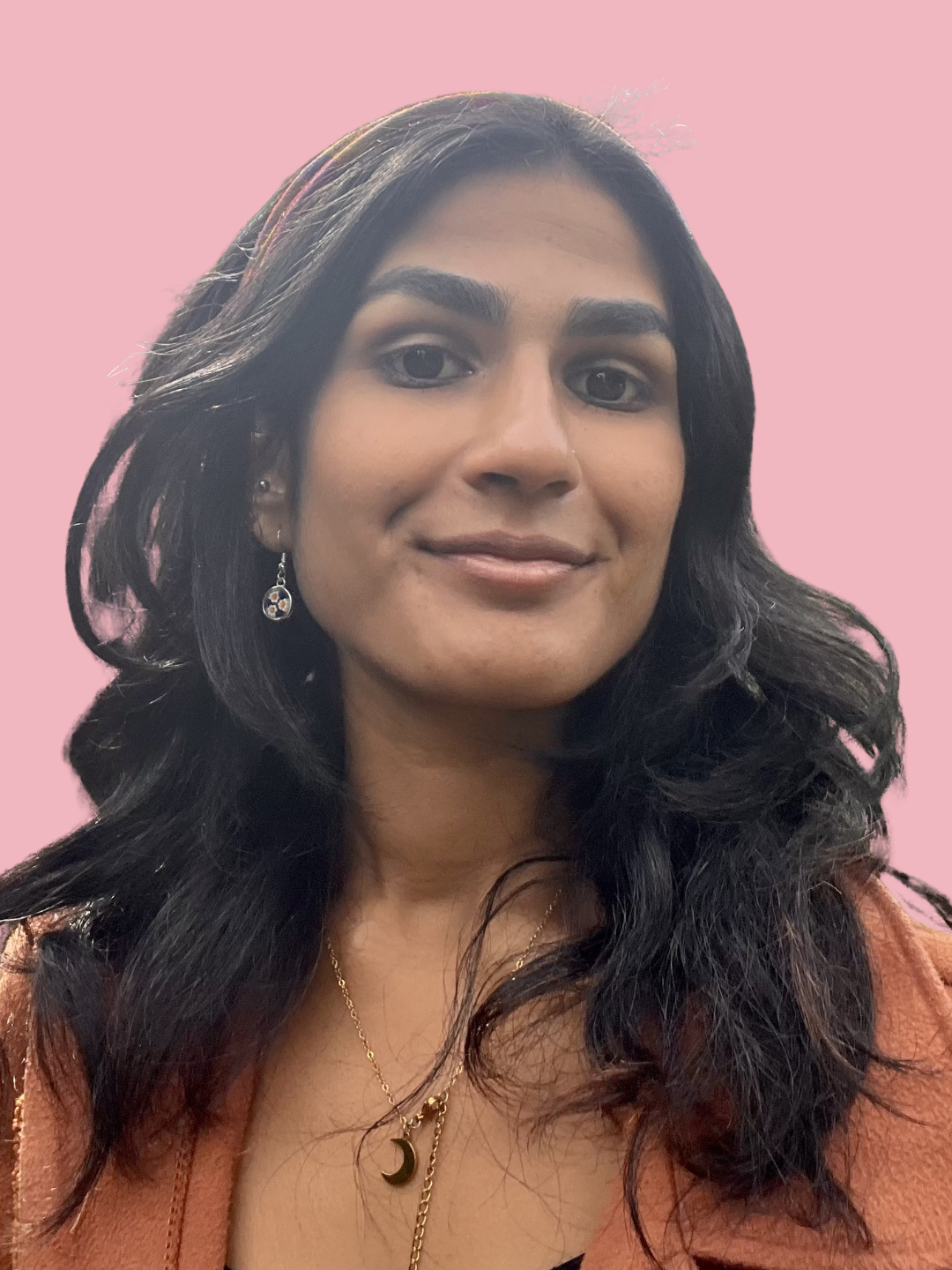
Varsha Yajman
April 1, 2026
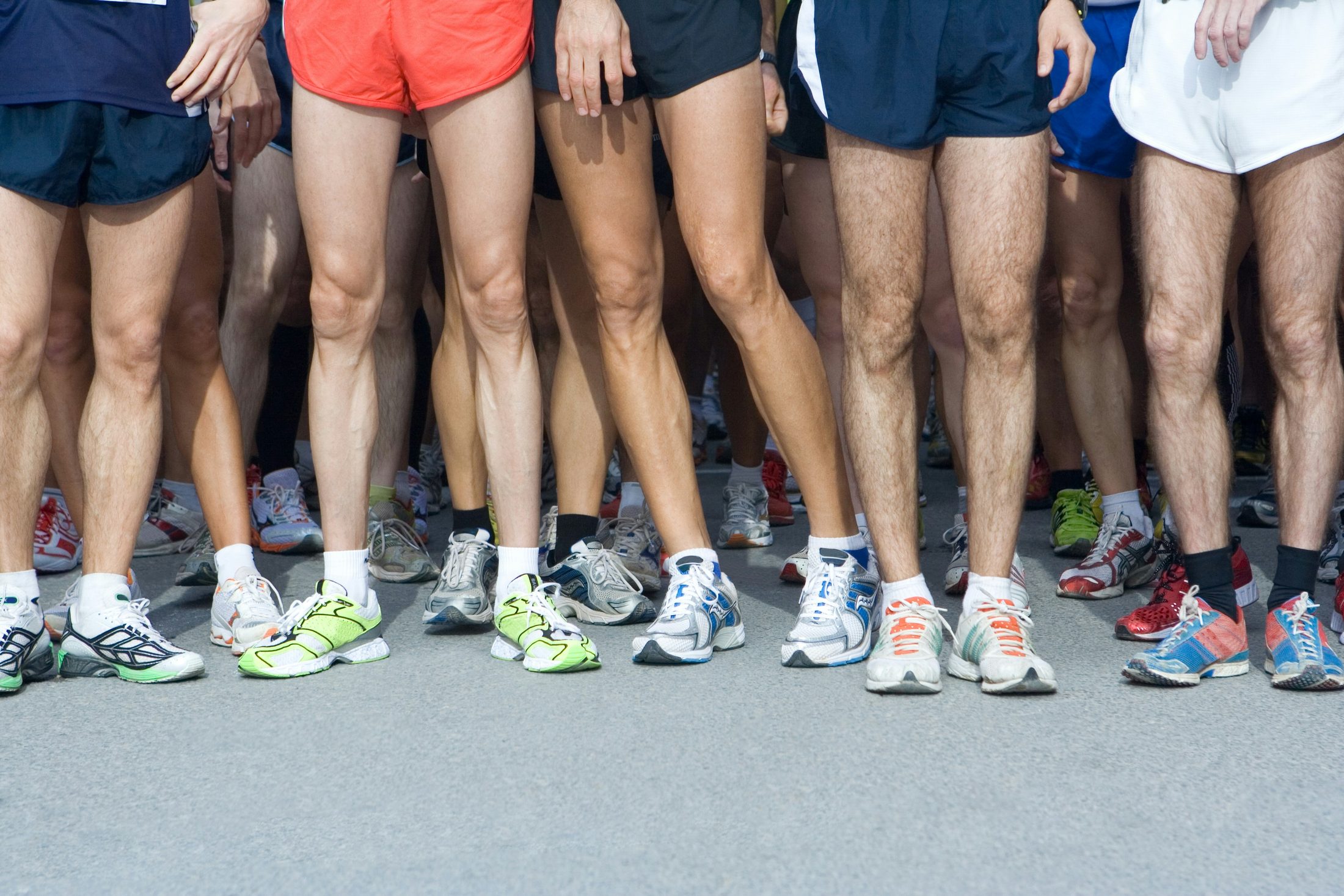
Photo by Rob Wilson on Unsplash
In the lead-up to the most recent Winter Olympic Games, elite sport has found itself at the centre of intensifying debates over who gets to belong—and under what conditions. From renewed scrutiny over athletes’ bodies and performance metrics to ongoing controversies surrounding the inclusion of trans competitors, the question of fairness has increasingly been framed through regulation: hormone levels, weight, appearance and eligibility.
At the same time, athletes themselves have begun to push back. When Alysa Liu stepped away from figure skating at the height of her career, citing the need to reclaim her sense of self, and later returned on her own terms, her decision resonated far beyond the sport. It signalled a growing refusal among some athletes to accept total institutional control over their bodies, identities and mental health.
Yet for many, particularly in sports where aesthetics and endurance are tightly intertwined, that autonomy remains constrained. Within this environment, control over food, weight and performance can become both a coping mechanism and a requirement, blurring the line between discipline and disorder.
For former endurance athlete Dr. Jennifer Hamer, that relationship began early.
“It was like my best friend,” Hamer says, when reflecting on her eating disorder.
It was Hamer’s natural talent as a child and her early high achievement that saw her become both an elite endurance runner, representing Great Britain at the European Championships, and a survivor of an eating disorder.
Hamer first developed anorexia when she started at an all-girls secondary school at age 12, where, being in an all-girls environment, she felt like she “wasn’t enough”, and used running to “hold on to a small physique.”
Though Hamer’s parents picked up on the symptoms and put her into outpatient treatment at the time, Hamer was not in a position where she wanted to recover and continued to hide the symptoms of her eating disorder.
However, things took a turn when Hamer turned 18, as not only did she enter university where she was bullied, but she was now legally an adult, meaning her parents could not put her into care when required. Hamer fell into the grips of her eating disorder.
“I was unable to climb the stairs, let alone run.”
It was at this point that Hamer, while still not acknowledging the severity of what she was going through, spent a year in inpatient care and was then diagnosed with severe osteoporosis.
However, things changed when she returned to university to do her Master's in nutrition, as she recognized that she had now developed orthorexia and reached out to a clinician for support.
“I thought I was fine, but I hadn’t addressed the symptoms and root cause of my eating disorder,” Hamer says.
But seeking help was difficult for Hamer, as she received comments from GPs like “you look fine” despite her concerns.
“Athletes look like the picture of health but are mentally struggling so much,” she says.
As an athlete, she says she would’ve appreciated a coach asking her if she was okay rather than just focusing on how fast she was running.
Dr Georgie Buckley, a dietitian and academic who, like Hamer, was also an endurance runner and experienced an eating disorder, notes that the shortcomings for many people seeking help are that the “medical model definition of eating disorders” has been centered around “the most privileged white women with very low weight”.
She says this means that marginalized communities, women who do not fit the stereotype of what an eating disorder looks like and male presenting individuals do not get the support they need.
Buckley only received a formal diagnosis for her eating disorder in her late 20s, despite developing symptoms in her teens.
Support independent journalism
Enjoy reading The Parlor?
Become a paid subscriber to get full access, early releases, and subscriber-only extras.
Become a paid subscriber“It's almost like a retrospective diagnosis because … I was never the smallest person, and so the smallest person was the only person that ever was gonna get diagnosed, or someone has… bone stress fractures, or whatever, and my bones were great.”
Despite already overexercising and restricting her food intake, Buckley says she received comments telling her to lose weight and exercise more.
Buckley recounted the last race she ran, when she set a personal best, and her coach told her to lose weight if she wanted to be in the upcoming national race.
“I was training as much as I possibly could. I couldn’t have been more conscious of what I was eating.”
Hamer and Buckley's experience is reflective of a broader pattern among elite athletes, with 78% of them at risk of developing disordered eating, according to The Butterfly Foundation, an Australian eating disorder charity.
Butterfly also found that 44% of elite women athletes have experienced disordered eating during their careers, and 27% have negative or extremely negative feelings about their body image.
Hamer says that tackling this requires a “multifactorial” solution.
She notes the importance of change coming from the top down to shift the culture in sporting organizations, requiring financial investment in educating stakeholders to equip coaches, staff and athletes with the skills and abilities to create a holistic culture that means unpacking and nurturing athlete health.
An example she gave was coaches switching from appearance-based comments (e.g. “you look lean, I think you’ll swim really well”) to performance-based comments (e.g. you have a really strong kick).
“It’s not just about delivering an education piece and ticking the box. It takes time and ongoing repeated exposure.”
Hamer also pointed to social media regulation, noting that “athletes are being massively impacted by what they’re seeing on there,” she says. She says a combination of performance-based and appearance or aesthetic posts creates “Association of I need to look like that to be successful.”
And while athletes have begun deleting their social media accounts, she notes that for some, it is an important financial avenue.
Hamer says the solution is to “equip athletes with resilience to build a toolbox to protect themselves from that type of content,” and to determine whether the content they post is helpful or harmful.
Buckley also unpacked the “overarching systems of control and oppression” that see eating disorders commonly manifest in women and gender diverse people.
She says that for women and gender diverse people, eating disorders, and in her case, running too, create emotional safety and help people “ find a sense of internal control for some people in these environments not made for them.”
Buckley also notes that those in the sporting world normalise disordered eating, such as academics and a women-led lab of athlete researchers that popularised Relative energy deficiency in sport (RED-S). RED-S occurs when an athlete burns more calories than they consume, leading to symptoms such as weight loss, irregular or stopped periods, declining sports performance, and shifts in mood and mental health.
Buckley says this concept was spun as a “palatable concept” to rationalise disordered eating patterns without asking professionals or athletes to “look in with their own relationship with food in their own cultures that they perpetuate in sport.”
“Until fat bodies, trans bodies, queer bodies, black bodies are genuinely safe in sport”, Buckley says, “we will always have eating disorders.”
About the author
Varsha Yajman
Varsha Yajman is a lawyer, writer and advocate based in the land of the Gadigal People of the Eora Nation. She writes about the intersection of topics like climate justice, mental health and race.
Conversation
A space for Parlor members. Be generous, be real.
Loading…