
Wild how a dad-shaped hole makes you chase social status and “making it” in the mainstream. Or whatever shape your hole is. But anyone who’s tried hard enough to keep on top of the latest clothes, restaurants, and luxuries of living alone in a “modern” condo knows: at a certain point, it all becomes empty.
A hole is a hole — and our “system” works well when we all orient ourselves to filling it. Buying the latest iPhone every second year; buying all the convenience food products; buying multiple trips; buying a fresh wardrobe — all help keep our cash circulating, rising to the top, and in some exchange: our 401Ks humming — so we can one day retire. And keep consuming minus the hours.
But the whole system is built on a big assumption: that humans will keep multiplying and consuming more, more, more. And most people don’t get the luxury to have their head a few extra feet above the water to think of such future planning. Most people are either drowning or just trying to keep their head afloat. But what if this metaphor is a trap to begin with? What if we could exit this metaphorical ocean onto new land?
A few years ago, when the pandemic started, I used it as an opportunity to run away from Toronto to a small riverside town (imagine Schitt's Creek in real life, and actually only 2 hours away from where they filmed it). Luckily an opportunity opened up to steward a 100 year old home on conservation land, and I started a co-living house called Le Host for friends and cool people to be together during the pandemic. It was the first time I felt a sense of community forming. But I didn’t know how to be a community “founder”. I didn’t know how to bring the right people onto the land (mostly prioritizing who could help me cover the mortgage). I didn’t know how to empower people to run with their own ideas and co-create in a setting that was tied to my lifesavings. Eventually, I burned out, having never quite felt the community I'd pictured.
While the vibes were wonderful, and many people came and left some sort of finger print, and it got me deep into the local rewilding movement, I was eventually burned out — and when the opportunity came for a new job and to move to Miami for a fresh start, I jumped on it. Part of it was returning to a city I had gone to high school in. Part of it was thinking some more glitz and glam could cure the hole that still wasn’t filled.
I thought the fresh start was what I needed — but I found myself with the same sense of inadequacy, emptiness, and frustration I felt before.
Emma, cBxtn, and the fairies
While I have always been blessed with a sense of excitement and curiosity that had served me well, even in the corporate world, I always had this sense that I was being pulled through life, rather than pushing with a sense of purpose. Emma, a former cage fighter turned monk– and former Le host community member — recommended Vipassana: a 10 day silent meditation course. And I figured, hell, there’s a Vipassana centre in Georgia (8 hours drive from me in Miami), I may as well finally do it.
I can’t describe the power of sitting alone in full silence. Meditating for 10 full days, 10 hours a day. Not even looking at someone except to ask the teacher a question - which you get two opportunities per day if you so choose. While I was stewing in anger and resentment: at my dad, my bosses, people who “wronged” me — I started seeing how my own role played into the pain of life I was experiencing. I also realized how the same pain and resentment I was carrying for all these people was in the same place: under my left rib in my intestines. My workplace issues, my boyfriend issues, my authority figure issues — they were all my daddy issues. I felt so unshackled.
And more importantly, I would meet another pivotal human: cBxtn. I remember seeing him on Day 0 as I was checking into the 10-day course. He was sitting and had the same calm confidence and sense of happiness I saw in Emma. This sense that everything was okay. I’d later learn on day 10—when we were all allowed to talk — that he lived off his bike, touring the US with with his friend Brother. They’d usually spend winters in Georgia — serving the Vipassana courses. And then summer up north in Vermont or Michigan. In a “magical land of fairies” as it was described to me.
How could these two be so happy with so little? A true genuine happiness? It was contrast that planted itself in my brain as I went back to work the next day in our lushly, marble cladded and interiorly designed corporate office.
That summer, as my partner and I were ending our relationship and my time in Florida came to a close, I received an invite from cBxtn to this magical gathering he spoke about. I was very hesitant. Especially when I learned how “free love” it was — and I was in a period of celibacy. But I just had this feeling.
I remember making the 8 hour drive and arriving just after sunset. The only instructions I was given (beyond a LONG briefing and lore of this community) was an address and an “ask for cBxtn when you arrive.”
“I’m here to find cBxtn.” “Welcome home!” said a parking fairy. The first impression of this community is seared into my brain. Seeing a bunch of beautiful people, from their early 20s to their late 80’s — cis, trans, non-binary, and everything in between and far away — all breaking bread together, laughing, smiling, with this sense of closeness like they’ve known each other their whole lives.
“Are you hungry?” Asked cBxtn after a round of catching up and noticing how calm my nervous system was to see each other again. There were fairy lights strung up everywhere with candles on the table, lit up by the dusk. “Yes, I am!” I replied. cBxtn whisked me into a kitchen where a bunch of other fairies were serving up plates of delicious vegetarian food. As someone who was always critical of processed food, having fresh made food from scratch based on someone’s family recipe, made me feel so nourished after a long trip.
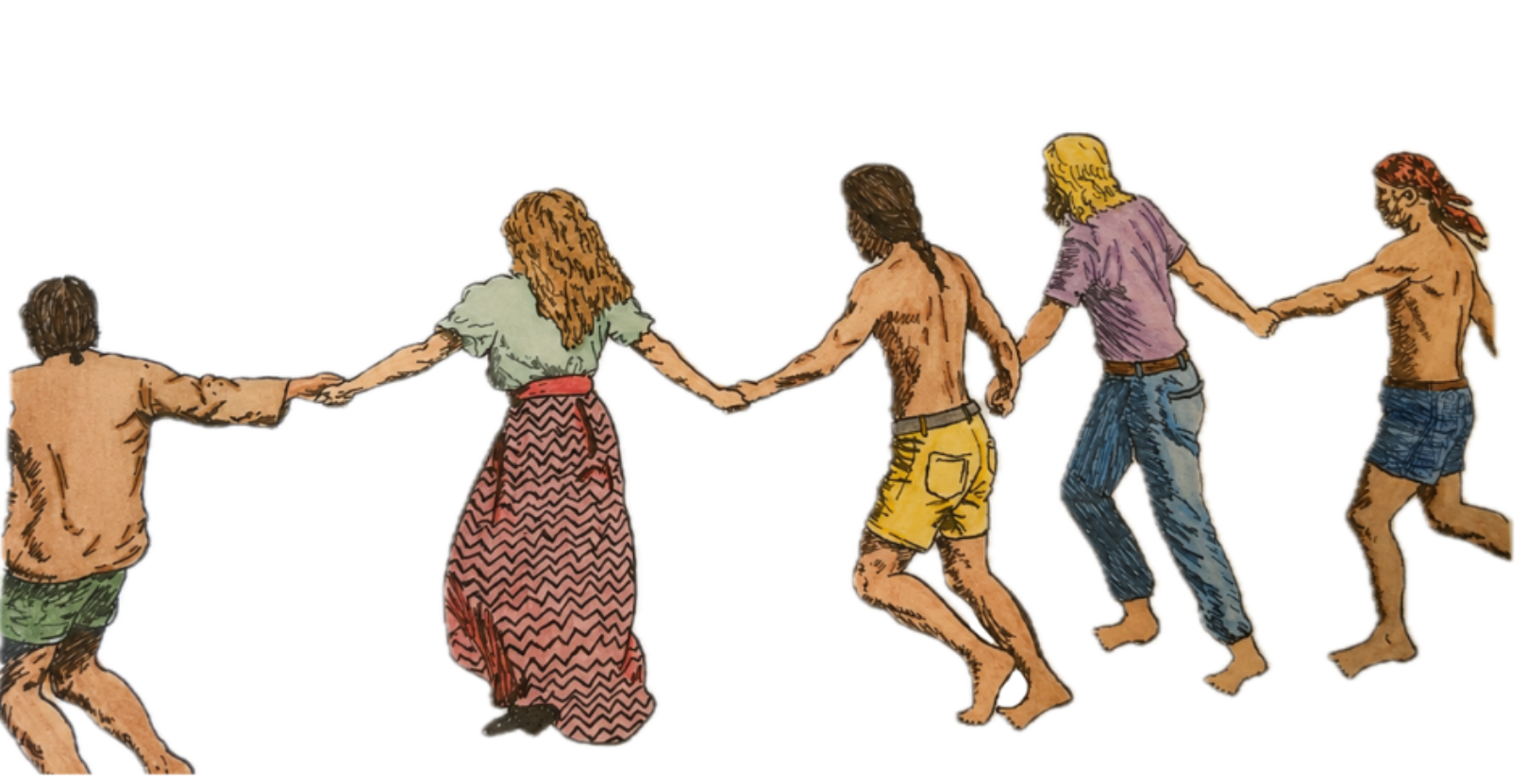
The next week would further blow open my mind, from experiencing heart circles to watching world-class theatre productions in the woods. I recall bawling tears of joy and sadness as I left the sanctuary. I knew my life was going to be okay. In fact I knew it was going to be great. I, for the first time, saw what “community” looked like. And felt like. And how so many of the people I met — from vagabonds to politicians — were so happy and full of joy with what they had.
From there a whole world opened. I felt a change in my algorithm where I started seeing more community content and learning about communes. I reached out to the people I saw to say hi and get tips, including Beau Gordan, the content creator behind the instagram account Gay British Bear that also documents queer intentional communities and alternative communal spaces around the world
And while I went back to the fairy sanctuary the next spring — and was convinced to go to another gathering in the South — I said I couldn’t because I had just started a new job in NYC that was consuming my time.
But with a twist of crazy events, I was let go from my job. While I wish I could say I was devastated, a part of me felt this excitement. I had been praying for years to get pushed into the cold water. I was too afraid to ever quit. I had never not had a job — since my very first job as a 16 year old at Marshalls, re-stocking racks with an army of Cuban abuelas who also taught me how to make cafecito and talk Cuban slang. But all that working, and very frugal spending allowed me to have a runway to explore. So as long as I spent under $1,500 per month, I could use this opportunity for up to two years. I could now go to that fairy gathering. And oh, I’m so happy I did.
Besides all the magic and exploring new people and new relationships, I met a few people from Twin Oaks who graciously invited me after gushing how star struck I was to meet people from this commune I’ve only heard and seen about.
What I found on the road
Twin Oaks is the oldest secular income-sharing community in the country — founded in 1967, around a hundred people, out in rural central Virginia on land that belonged to the Monacan and Mannahoac peoples before it belonged to anyone with a bylaw. Everyone works roughly 42 hours a week, and the labor is genuinely unranked: childcare counts the same as running the tofu business, milking cows counts the same as managing the seed catalog. In exchange, the community covers housing, food, clothing, healthcare, and a small monthly stipend. Decisions run on consensus, which is exactly as slow and exactly as worth it as it sounds. I stayed a few days, then followed tips to a string of neighboring communities.
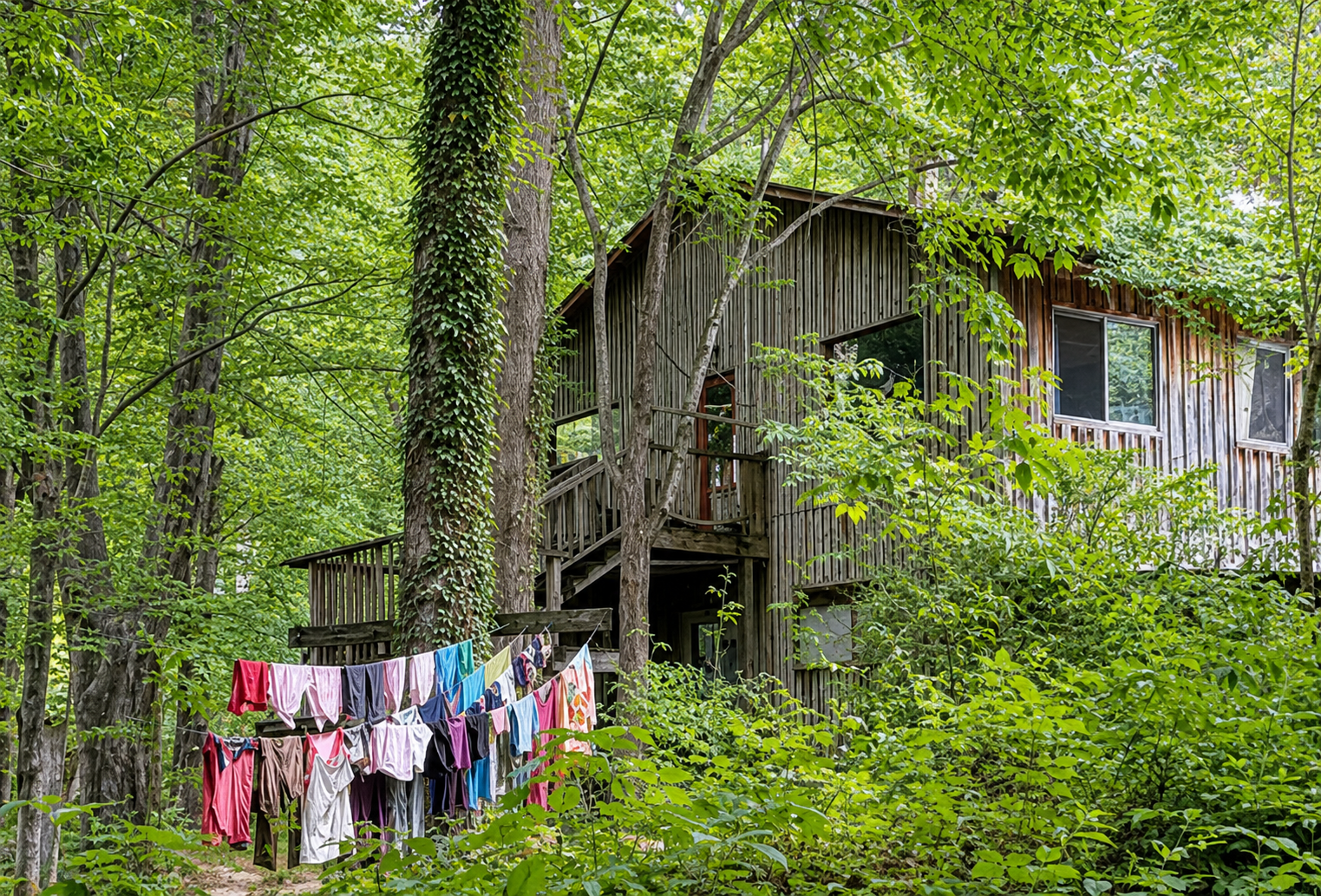
Living Energy Farm, twenty minutes down the road, is what a true off-grid life actually looks like once you stop treating "sustainable" as a marketing word. A dozen or so adults and kids on 127 acres, running entirely on a solar-powered DC microgrid they engineered themselves — no batteries, no inverters, just wiring appliances directly to the panels so the fridge runs when the sun's up and rests when it's down. They grow most of their own food and fund the rest by growing seed for outfits like Southern Exposure. You won't get a hair dryer here. You will get proof that a fossil-fuel-free life doesn't have to mean a smaller one.
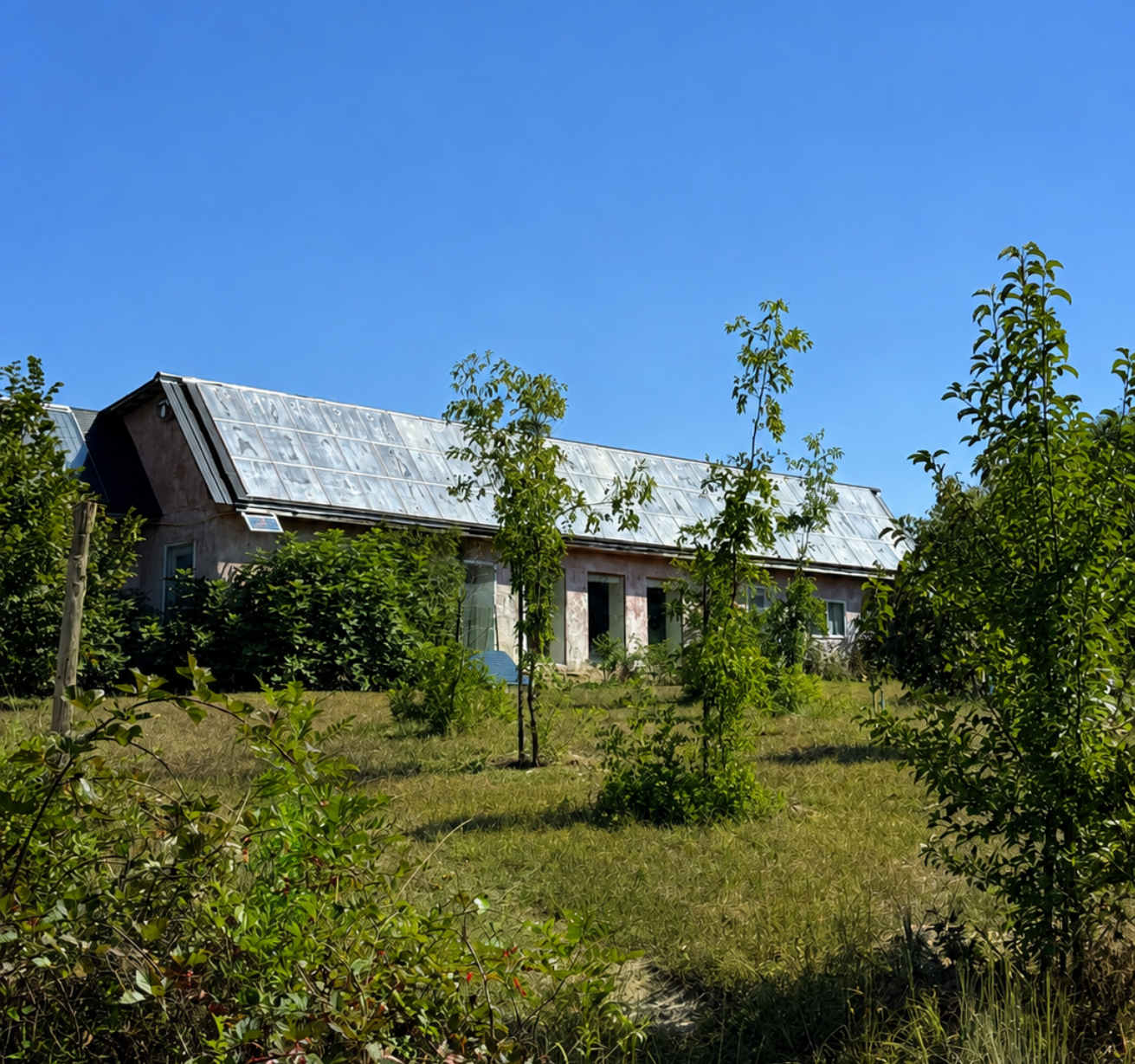
I went back to Twin Oaks that September for their communities conference and kept meeting people, kept getting pointed toward the next place, kept saying yes.
Back in Brooklyn, someone I'd met at a fairy-adjacent event told me about an urban community called Fractal — a "decentralized neighborhood campus," which basically means a group of people drew a small red circle on a map, said move here, and somehow it works, less like an experiment and more like living on the set of Friends. That's where I started meeting the actual community-organizing nerds —people like Gillian Morris, who turned years of her own coliving houses into Supernuclear, the newsletter she co-writes with Phil Levin on how to build community on purpose, and Priya Rose, who founded Fractal itself and treats building this kind of infrastructure the way other people treat building a startup.
The rest of the year scattered me further out. Feÿtopia, a roughly thirty-person collective of artists, technologists, and academics based out of a real château in Burgundy, France — the kind of place where you show up not knowing a soul and leave with a dozen new friends and a genuine crash course in "do-ocracy," where if you want something to happen, you're the one who makes it happen, and everyone else just joins in. Fools' Valley, a research-lab-slash-residency on sixteen hectares outside Lisbon, felt like what a modern hobbit house would be if hobbits also ran permaculture courses and hosted raves in a converted warehouse. Terra Rosa, a queer community in Spain that funds itself running its own retreats. I got pulled to Indonesia by a friend who needed a hand for a week building a community app called Gather — which is where I learned, the hard way, that community resists being put on a screen. It wants the room. From there I hopped to New Zealand: a month of hiking, a month of Vipassana, and more communes stitched in between.
My curiosity turned into a kind of sponge. How do these places organize? Fund themselves? Build a culture people actually want to stay for? Grow their own food? Raise their kids collectively? Sustain themselves past the founders who started them? Every community, every person, cracked open a new question I hadn't thought to ask.
Why this matters now
As April 2026 rolled around — about a year since being fired — when my self imposed deadline was kicking in, I asked myself: what am I doing with my life?
But I started noticing something: as I’d meet people, huge question marks would go off in their head as I talked about community stories. This transfixion. This “aha” moment you’d see in their eyes learning about community, the same one I recognized in myself when I saw the fairy community for the first time.
I realized there was this whole underworld of community. This richness of life that nothing in the mainstream could compete with. And I also realized a statistic: at that point of reflection, I counted 30 communities I visited in this 18 month period. And this only happened because I happened to meet Emma the former cage fighter turned monk, who happened to tip me off about Vipassana, and then arriving to the Vipassana center at the exact time to meet cBxtn, and then saying yes to the call to visit the fairies, and meeting the Fractal guy, etc. etc. etc. Like a divinely planned flow of events. Maybe I would have discovered it some other way, but just like a synchronous moment, they don’t happen all the time. I was so lucky to connect the dots to this journey. And so I wondered, how many other people could benefit from reorienting themselves from chasing empty holes to finding grounding in community?
This movement isn't oversubscribed — it's starving for new blood. There's land out there, and elders ready to pass it on, but not enough people showing up to receive it. That gap matters more the closer our society gets to collapse: we need people building communities and land projects now, while the resources and supply chains to do it still exist.
We're also entering the largest generational wealth transfer in modern history, as boomers hand assets down to a generation waking up to the idea that wealth hoarded is wealth wasted. Deployed right, that money could seed resilient villages — ones built to reflect the people in them, rooted in indigenous wisdom and stewardship, and pointed toward getting land back into the hands of Black families whose ancestors were forced to work it for someone else's profit.
Robin Wall Kimmerer's Braiding Sweetgrass centers around this idea of balance and reciprocity that is central to communal living. Kimmerer, a botanist and enrolled member of the Citizen Potawatomi Nation, uses the teaching of the Honorable Harvest to lay out how to take from the land without hollowing it out: take only what you need, use everything you take, give thanks, and give something back.
I see the same logic in adrienne maree brown's Emergent Strategy — her argument that big change doesn't come from some perfectly engineered master plan, it comes from small, trustworthy relationships compounding on each other, the way a flock moves or a fungal network spreads. "Move at the speed of trust" is basically the operating system of every community that's ever worked. It's certainly how I ended up on this whole path — Emma to cBxtn to the fairies to Twin Oaks to Fractal, one small trusted connection at a time, never a master plan in sight.
And this isn't only someone else's inheritance to reclaim. Long before extraction became the default setting of life in the West, our ancestors — Celtic, Iberian, Germanic, whichever thread you pull — lived in villages too, with rituals and songs and ways of giving to each other and to the land. That thread didn't vanish. It got buried under a few centuries of the empty-hole economy convincing us we'd be happier hoarding than sharing. I'd invite you to go pull on your own thread — whatever indigenous ancestry you carry, wherever it runs.
This is what drives my new chapter: awakening as many people as possible to these alternate realities that aren’t in a whole new dimension, but in the dimension we’re already in. We just need to retune the radio antennas in our brain.
There are so many incredible case studies of existing communities, new communities, community wisdom — from so many people who’ve been doing this way longer than I have. Including elders whose lineages have kept the village and community spirit alive — which is often lost in white America.
So I show up, ready to learn, and use my gift of gab and video editing to spread the word — and hopefully raise the consciousness in the process. I hope you’ll join me. Though I warn you: switching from an individualistic, ego-driven culture to a communal one doesn’t happen overnight. It’s a whole process of un-learning, and re-learning. It’s re-orienting goals. Re-orienting incentives. Re-orienting the core of our being.
A lot of this will play out in starting a new community in Vermont that applies all the principles from the above, in an effort to provide affordable housing and land back in a financially-solvent way in tune with the earth. If the average American can give up 30% of their creature comforts, and be willing to go back to old ways of living together, they’ll be in for a very fulfilling low-cost life.
Welcome to the journey.
About the author
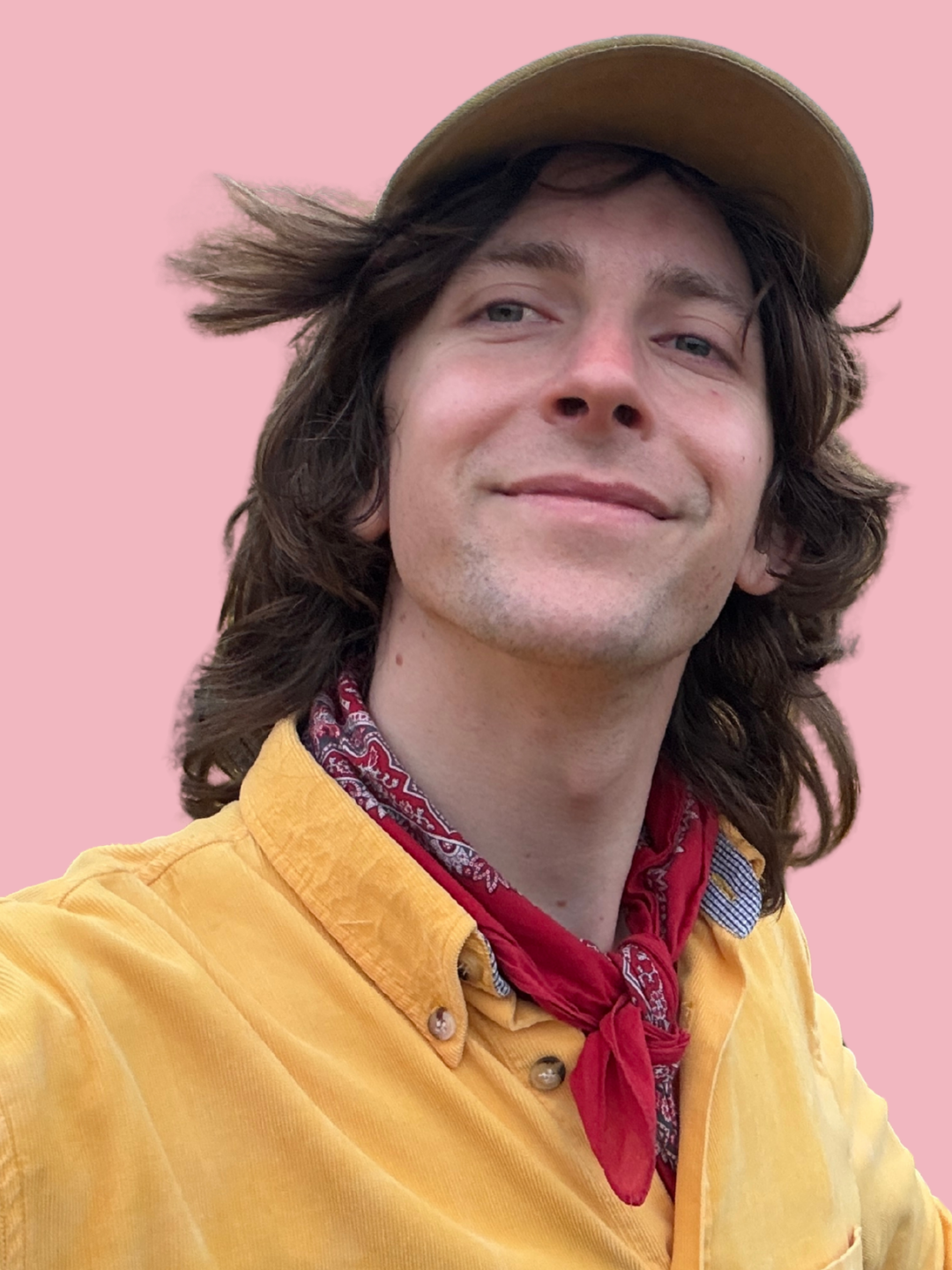
Christopher Morello
Chris Morello is a content creator and field researcher in relationship with intentional communities, communes, and alternative land projects across the globe. Through Instagram (@morellomunch) and contributions to Supernuclear, they've spent the past two years learning alongside more than 40 communities, sharing the stories of people building lives outside conventional ownership and life structures. They're now building an earthen, off-grid community.
Conversation
A space for Parlor members. Be generous, be real.
Loading…